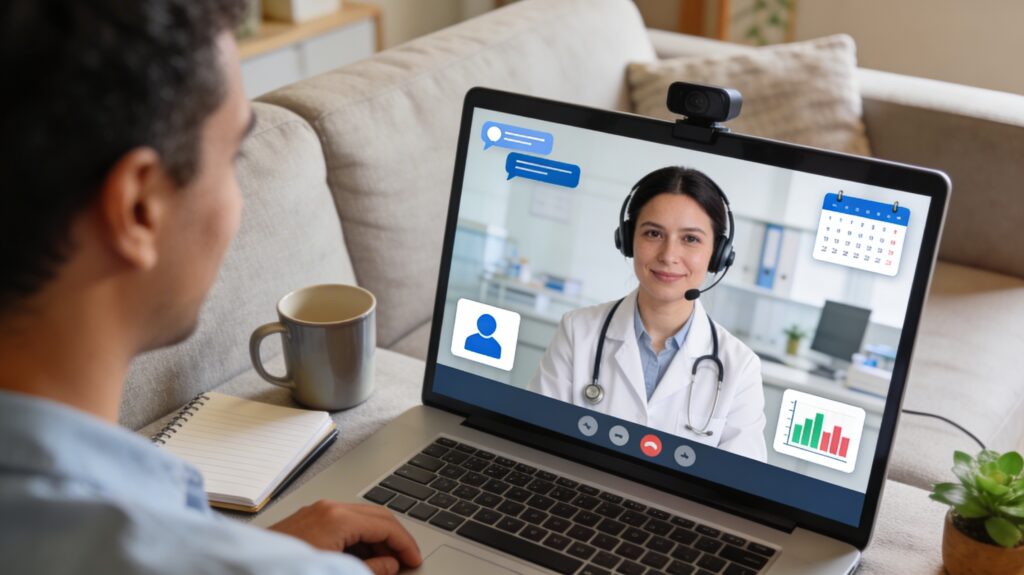
The future of healthcare isn’t just arriving; it’s already here, reshaping how we interact with medical professionals. For many, the idea of seeing a doctor without stepping foot in a clinic still feels novel, perhaps even a little daunting. Yet, as we look towards 2026, telemedicine has firmly cemented its place as an integral part of modern healthcare.
If you’re curious about what an online doctor’s visit entails, what conditions can truly be addressed remotely, and what still necessitates an in-person consultation, you’re in the right place. This guide will demystify telemedicine, explaining its current capabilities, the technology that powers it, its advantages and disadvantages, and how you can best prepare for your next virtual appointment.
What Exactly is Telemedicine? Your Digital Healthcare Gateway
At its core, telemedicine, often used interchangeably with telehealth, refers to the practice of providing healthcare services remotely using telecommunications technology. This isn’t just a fleeting trend born out of necessity; it’s a fundamental shift towards more accessible, convenient, and often, more efficient medical care.
Think of it as bringing the doctor’s office to you, whether you’re at home, at work, or even traveling. While the concept might sound futuristic, its practical application is surprisingly straightforward and widely adopted across various medical disciplines. It encompasses a broad range of services, from simple advice to ongoing management of chronic conditions, all facilitated by digital tools.
Beyond Just Video Calls
While video conferencing is the most common and recognizable form of telemedicine, it’s just one piece of the puzzle. Telemedicine services can also include:
- Secure Messaging/Chat: Exchanging messages with your doctor or their team for non-urgent questions, prescription refills, or lab result discussions.
- Phone Consultations: Traditional phone calls for quick check-ins or follow-ups where a visual isn’t strictly necessary.
- Remote Patient Monitoring (RPM): Using wearable devices or home monitoring equipment (like blood pressure cuffs, glucose meters, or smart scales) to transmit vital health data to your care team. This allows doctors to track your health trends over time and intervene proactively if needed.
- “Store-and-Forward” Telemedicine: This involves collecting medical data (like images of a skin rash or X-rays) and sending them securely to a specialist for review at a later time, without a real-time interaction.
The overarching goal is to leverage technology to bridge geographical gaps, save time, and make healthcare more responsive to individual needs, all while maintaining high standards of care and patient privacy.
The Digital Doctor’s Bag: What You CAN Do Online
One of the biggest questions people have about telemedicine is, “What can my doctor actually do for me online?” The answer, in 2026, is quite a lot. Many common medical concerns and routine aspects of care are now seamlessly handled through virtual platforms, offering unparalleled convenience.
Follow-Up Appointments
For existing patients, telemedicine excels in managing follow-up care. Whether it’s discussing lab results, checking in on medication efficacy, monitoring progress after a procedure, or reviewing treatment plans, these appointments often don’t require a physical examination. This saves both patients and doctors valuable time and reduces travel burdens.
Mental Health Support
Perhaps one of the most successful applications of telemedicine has been in mental health. Online therapy, psychiatry, and counseling have become mainstream, providing vital support for conditions like anxiety, depression, stress, and grief. The comfort and privacy of speaking with a therapist from your own home can significantly reduce barriers to seeking help, making mental healthcare more accessible than ever. Many find it easier to open up in a familiar environment, fostering a more relaxed and productive session.
Managing Minor Ailments and Acute Issues
Got a nagging cough, a mysterious rash, or the sniffles? Telemedicine is often the first, best stop for minor, non-emergency conditions. Doctors can diagnose and recommend treatment for:
- Colds, Flu, and Allergies: Symptom evaluation and prescription of appropriate medications.
- Urinary Tract Infections (UTIs): For uncomplicated cases, diagnosis and prescription based on symptom review.
- Skin Rashes and Minor Irritations: Many dermatological issues can be assessed visually through high-quality video or submitted photos.
- Pink Eye/Conjunctivitis: Visual inspection and treatment recommendations.
- Minor Headaches or Migraines: Discussing symptoms and adjusting management plans.
- Sore Throats: While a strep test requires an in-person visit, initial assessment and advice can be given virtually.
For these types of issues, a doctor can typically gather enough information through detailed questioning and visual cues to make an informed decision.
Chronic Disease Management
Patients living with chronic conditions like diabetes, hypertension, asthma, or thyroid disorders can greatly benefit from virtual consultations. Regular check-ins allow doctors to monitor symptoms, review home-recorded data (like blood sugar levels or blood pressure readings), adjust medications, and provide lifestyle coaching. This consistent oversight helps patients manage their conditions more effectively and prevent complications, often with fewer disruptive trips to the clinic.
Prescription Refills and Medication Management
For stable conditions and ongoing prescriptions, telemedicine provides an efficient way to request refills or discuss medication adjustments with your doctor. This is particularly useful for maintenance medications where no new symptoms or concerns have arisen, streamlining the process and ensuring you don’t run out of essential drugs.
Nutritional Counseling and Lifestyle Coaching
Whether you’re looking to manage weight, address dietary restrictions, or adopt healthier habits, dietitians and health coaches frequently offer their services virtually. These sessions leverage video calls to provide personalized advice, create meal plans, and offer ongoing support, making it easier to integrate healthy changes into your daily life.
When an In-Person Visit is Still Essential: What You CAN’T Do Online
While telemedicine offers incredible flexibility, it’s crucial to understand its limitations. There are certain aspects of medical care that, by their very nature, still require the physical presence of a patient and a healthcare provider. These are the instances where an online doctor simply can’t replace the hands-on expertise of an in-person visit.
Comprehensive Physical Exams
A thorough physical examination is fundamental to diagnosing many conditions and establishing a baseline for your health. This includes listening to your heart and lungs with a stethoscope, palpating your abdomen, checking reflexes, inspecting ears and throat with an otoscope, and performing other tactile assessments. These critical components cannot be replicated through a video screen, making in-person visits indispensable for annual check-ups, new patient evaluations, or when a doctor suspects an issue requiring a detailed physical assessment.
Procedures and Hands-On Treatments
Any medical procedure that involves touching, cutting, stitching, injecting, or manipulating the body must be done in person. This includes:
- Vaccinations and Injections: Flu shots, tetanus boosters, or therapeutic injections.
- Wound Care and Suturing: Cleaning and closing deep cuts, or removing stitches.
- Minor Surgeries: Biopsies, mole removals, or ingrown toenail procedures.
- Physical Therapy: Hands-on manipulation and guided exercises.
- Diagnostic Tests: Blood draws, X-rays, MRIs, CT scans, ultrasounds, and endoscopies.
These interventions require specialized equipment, sterile environments, and the direct skill of a healthcare professional.
Medical Emergencies
For serious or life-threatening conditions, telemedicine is absolutely not an appropriate substitute for emergency care. If you are experiencing symptoms such as severe chest pain, difficulty breathing, sudden numbness or weakness, uncontrolled bleeding, severe abdominal pain, high fever with stiff neck, or signs of stroke or heart attack, you should call emergency services (e.g., 911 in the U.S.) or go to the nearest emergency room immediately. Telemedicine platforms are designed for non-urgent care and cannot provide the rapid, intensive interventions required in an emergency.
Complex Diagnostics and Imaging
While a virtual doctor can order diagnostic tests, the actual procedures themselves—like blood tests, urine samples, imaging scans (X-rays, MRIs, CTs), or specialized tests like EKGs or EEGs—require a visit to a lab or imaging center. The results of these tests can then often be discussed virtually, but the data collection phase remains an in-person activity.
New Patient Initial Consults (Often, but Not Always)
While some providers are comfortable conducting initial new patient consultations virtually, many still prefer an in-person visit for the very first appointment. This allows them to perform a comprehensive physical exam, establish a stronger personal rapport, and gather a more complete medical history, which can be crucial for long-term care planning. However, this trend is slowly shifting, with more initial consultations being offered online, especially when the patient’s primary concern doesn’t necessitate an immediate physical exam.
The Tech Behind the Screen: How Telemedicine Works (Simply Put)
You don’t need to be a tech wizard to use telemedicine, but understanding the basic infrastructure can demystify the process. The technology powering your virtual visit is designed to be user-friendly, secure, and seamlessly integrated into your healthcare journey.
Secure Video Platforms
The cornerstone of most virtual visits is a secure video conferencing platform. Unlike consumer tools like Zoom or FaceTime, healthcare-specific platforms are built with stringent security and privacy regulations in mind, particularly HIPAA (Health Insurance Portability and Accountability Act) in the United States.
These platforms encrypt your video and audio, ensuring that your private medical conversations remain confidential. They often feature virtual waiting rooms, screen-sharing capabilities (for doctors to show you lab results or educational materials), and a user interface designed for easy patient navigation. You typically access these through a secure link sent via email or text, or directly through a patient portal on your doctor’s website. All you usually need is a smartphone, tablet, or computer with a camera and microphone, and a stable internet connection.
Electronic Health Records (EHR) Integration
Behind the scenes, your virtual visit is seamlessly connected to your Electronic Health Record (EHR). This is your digital medical chart, containing all your health information – past diagnoses, medications, allergies, lab results, and previous visit notes.
When you have a telehealth appointment, your doctor accesses your EHR just as they would during an in-person visit. Notes from your virtual consultation are immediately documented in your EHR, ensuring continuity of care. This integration means that every interaction, whether virtual or physical, contributes to a comprehensive and up-to-date record of your health, accessible to your entire care team. It eliminates the need for paper charts and ensures that all providers involved in your care have the most current information at their fingertips.
Remote Monitoring Devices (Brief Mention)
While not always part of a standard video visit, the technology stack also includes devices for remote patient monitoring. These are easy-to-use tools like smart blood pressure cuffs, continuous glucose monitors, or pulse oximeters that connect to apps on your phone or directly to a cloud platform. They allow your doctor to receive real-time or regular updates on your vital signs or other health metrics, providing a more complete picture of your health between visits.
The Upsides of Going Digital: Pros of Telemedicine
The rapid adoption of telemedicine isn’t just about convenience; it brings a host of significant benefits that are transforming healthcare for patients and providers alike.
Unmatched Convenience and Accessibility
This is arguably the biggest draw. Telemedicine eliminates the need for travel, parking, and sitting in waiting rooms. You can see your doctor from the comfort of your home, office, or anywhere with a stable internet connection. This is particularly beneficial for individuals with mobility issues, chronic illnesses, or those living in rural areas with limited access to specialists. It also makes healthcare more accessible for parents balancing childcare, or busy professionals with demanding schedules.
Significant Time and Cost Savings
Beyond the obvious time saved on commuting, virtual visits often have shorter overall durations compared to in-person appointments. This means less time off work or away from other responsibilities. Indirect costs like gas, public transport fares, and potential childcare expenses are also reduced or eliminated. For the healthcare system, it can also lead to more efficient use of clinic space and staff resources.
Enhanced Access to Specialists
Geographic barriers often limit access to specialized medical care. Telemedicine breaks down these walls, allowing patients to consult with specialists who may be hundreds of miles away. This expanded reach is invaluable for rare conditions, second opinions, or simply ensuring you get the best possible expertise regardless of where you live.
Continuity of Care
Regular check-ins via telemedicine can help maintain consistent oversight of chronic conditions and ongoing health issues. This proactive approach can lead to better health outcomes, fewer emergency room visits, and a stronger patient-provider relationship built on regular communication. It allows for timely adjustments to treatment plans and provides a continuous feedback loop between you and your healthcare team.
The Downsides and Digital Hurdles: Cons of Telemedicine
While the benefits are substantial, it’s also important to acknowledge the challenges and limitations of telemedicine. Understanding these potential drawbacks can help you decide when a virtual visit is appropriate and when an in-person appointment is necessary.
Limitations of the Remote Exam
As discussed, the inability to perform a hands-on physical exam is the primary limitation. Doctors cannot palpate, auscultate (listen with a stethoscope), or visually inspect certain areas with the same detail as in person. This means that for conditions requiring a precise physical assessment, or for new, undiagnosed symptoms, an in-person visit remains superior and often essential for accurate diagnosis. There’s also a reliance on the patient’s self-reporting of symptoms, which, while valuable, can sometimes miss subtle cues a doctor might observe in person.
The Digital Divide and Technology Barriers
Not everyone has equal access to reliable internet, suitable devices (smartphone, tablet, computer with camera/mic), or the digital literacy required to navigate virtual platforms. This “digital divide” can exclude vulnerable populations, including the elderly, low-income individuals, and those in underserved rural areas, from fully benefiting from telemedicine. Technical glitches, poor internet connections, or unfamiliarity with the technology can also disrupt appointments and cause frustration.
Insurance Coverage and State Regulations
While coverage for telemedicine has expanded significantly, it’s not universally consistent. Insurance policies can vary in what types of virtual visits they cover, what providers are included, and what cost-sharing applies. State regulations regarding licensure (doctors typically need to be licensed in the state where the patient is located) and scope of practice for telehealth can also create complexities, especially for patients seeking care across state lines. It’s crucial to check with your insurance provider beforehand.
Potential for Misdiagnosis (Rare, but a Concern)
While doctors are highly trained to diagnose based on verbal cues and visual information, the absence of a physical exam does introduce a slight, theoretical increase in the potential for misdiagnosis or delayed diagnosis for certain conditions. This is why doctors are trained to know when to escalate a virtual visit to an in-person one, and why patients should be vigilant about their symptoms and transparent with their doctor.
Impersonal Feel for Some
For some patients, especially those accustomed to traditional healthcare, the lack of physical presence can feel less personal or intimate. Building rapport and trust can sometimes be more challenging through a screen, and certain sensitive discussions might feel more comfortable face-to-face. This is often a matter of personal preference and can lessen over time as patients become more comfortable with virtual interactions.
Preparing for Your Telehealth Visit: A Simple Guide
To ensure your online doctor’s appointment is as effective and smooth as possible, a little preparation goes a long way. These simple tips will help you make the most of your virtual healthcare experience.
1. Choose a Quiet, Private Space
Find a location where you won’t be interrupted and where you feel comfortable discussing personal health matters. This means away from distractions like television, other people, or loud noises. Good lighting is also helpful so your doctor can clearly see you, especially if they need to visually assess a symptom.
2. Test Your Tech Ahead of Time
About 15-30 minutes before your appointment, check your internet connection, ensure your device (smartphone, tablet, or computer) is charged or plugged in, and test your camera and microphone. If your doctor uses a specific platform, try logging in early to make sure everything works. If you’re having trouble, contact your provider’s office for technical support before your appointment time.
3. Have Your Information Ready
Just like an in-person visit, your doctor will need some information. Have the following handy:
- Your current medications: A list of all prescriptions, over-the-counter drugs, supplements, and their dosages.
- Allergies: Any known drug or environmental allergies.
- Pharmacy name and location: In case a prescription needs to be sent.
- Insurance card: Although usually on file, it’s good to have it accessible.
- Relevant medical history: Any recent tests, diagnoses, or changes in your health.
4. Jot Down Your Questions and Symptoms
Before your call, make a list of everything you want to discuss. This ensures you don’t forget important details during the consultation. For symptoms, be prepared to describe:
- When they started.
- How severe they are.
- What makes them better or worse.
- Any associated symptoms.
- What you’ve already tried to alleviate them.
Being clear and concise helps your doctor make an accurate assessment.
5. Dress Appropriately
While you’re at home, remember you’re still in a professional medical setting. Dress comfortably but appropriately, as you would for an in-person visit. If you need to show a rash or a specific body part, wear clothing that allows for easy access.
6. Be Prepared to Take Notes
Have a pen and paper or a digital note-taking app ready. You might want to jot down your doctor’s instructions, medication changes, follow-up plans, or any questions that come to mind. Don’t hesitate to ask your doctor to repeat or clarify anything you don’t understand.
The Future is Now: Embracing Telemedicine
Telemedicine in 2026 isn’t a futuristic concept; it’s a practical, everyday reality that has fundamentally altered how we access and experience healthcare. While it offers unparalleled convenience, accessibility, and efficiency for a vast array of medical needs, it’s not a complete replacement for the traditional doctor’s visit.
Understanding what you can and can’t do online empowers you to make informed decisions about your care. By embracing the digital tools available and preparing adequately for your virtual appointments, you can leverage telemedicine to enhance your health journey, ensuring you receive timely, effective, and convenient medical attention when you need it most. The balance between digital convenience and in-person necessity will continue to evolve, but one thing is clear: your doctor is now closer than ever, just a click away.