For generations, a doctor’s visit meant a trip to a clinic, a wait in the reception area, and a face-to-face consultation. While that traditional model remains vital, a quiet revolution has been unfolding, fundamentally altering how we access and experience healthcare. Telehealth and a burgeoning ecosystem of health apps are bringing medical care into our homes, onto our phones, and into our daily lives, making healthcare more accessible and, in many cases, more convenient than ever before.
What is Telehealth and Why Did It Grow So Fast?
At its core, telehealth refers to the use of electronic information and telecommunications technologies to support long-distance clinical healthcare, patient and professional health education, public health, and health administration. Simply put, it’s about using technology to deliver healthcare services remotely. This isn’t just about a doctor talking to you on a screen; it encompasses a broad range of services designed to make healthcare more efficient and patient-friendly.
While telehealth has been around for decades in various forms, its recent explosive growth can be largely attributed to a few key factors:
- The COVID-19 Pandemic: The global health crisis of 2020 acted as an unprecedented catalyst. With lockdowns, social distancing mandates, and the need to reduce exposure risks, telehealth became not just a convenience but a necessity. Healthcare providers rapidly adopted and expanded their virtual offerings, and regulatory bodies temporarily eased restrictions, paving the way for widespread adoption.
- Technological Advancements: The ubiquitous presence of smartphones, high-speed internet, and sophisticated video conferencing platforms has made virtual consultations seamless and reliable. Most people now carry powerful computing devices in their pockets, ready to connect.
- Patient Demand and Convenience: As people became accustomed to managing other aspects of their lives digitally—banking, shopping, working—the expectation for similar convenience in healthcare grew. The desire to avoid commutes, parking hassles, and waiting rooms resonated deeply with many.
- Provider Recognition of Efficiency: Healthcare systems realized that telehealth could improve efficiency, reduce no-show rates, and extend their reach to more patients, particularly in underserved areas.
Today, telehealth is no longer a temporary solution but an integrated component of modern healthcare, reshaping the patient experience for millions.
[EMBED YOUTUBE VIDEO ABOUT TELEHEALTH BASICS – e.g., a simple explainer from a hospital system or health organization]
Different Ways You Can Connect: Types of Telehealth Visits
Telehealth isn’t a one-size-fits-all solution; it offers various modalities to suit different patient needs and clinical situations. Understanding these types can help you decide which is best for your specific concern.
Video Calls: The Virtual Face-to-Face
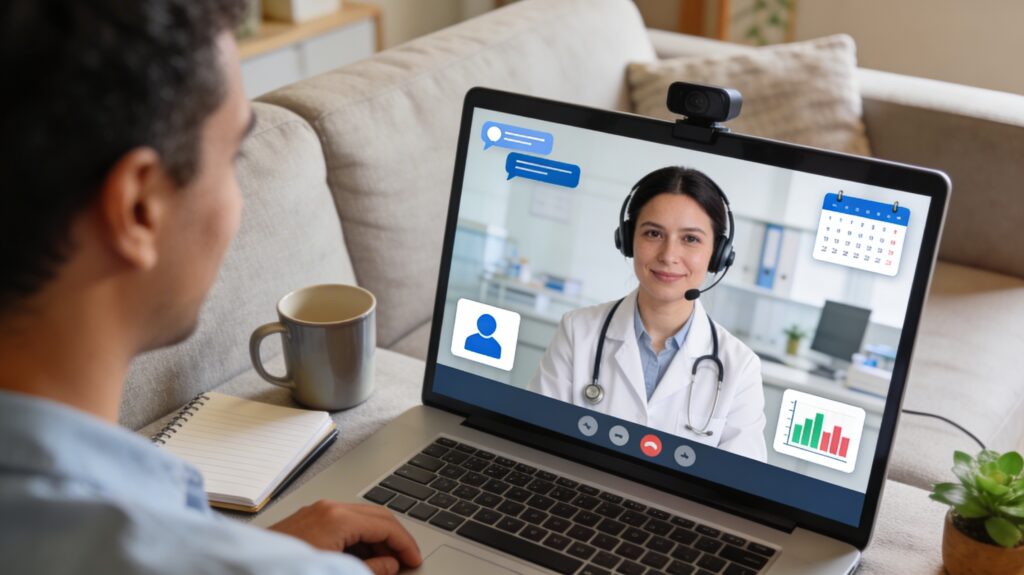
This is perhaps the most recognizable form of telehealth. A video visit allows you to see and speak with your doctor or another healthcare provider in real-time, much like a traditional in-person appointment, but from the comfort of your home or office.
- How it works: You typically receive a secure link via email or text message, or you access the virtual waiting room through a dedicated patient portal or app. At the scheduled time, you click the link, and your appointment begins.
- What it’s good for: Managing chronic conditions, reviewing test results, medication refills, follow-up appointments, discussing symptoms that don’t require a physical exam (like cold or flu, rashes, mental health concerns), and routine check-ins.
- The patient experience: It feels very similar to an in-person visit in terms of interaction, allowing for visual cues, shared screens for reviewing information, and direct conversation. The main difference is the lack of physical touch or examination.
Chat and Secure Messaging: Asynchronous Care
Sometimes, you don’t need a live conversation. Secure messaging and chat platforms allow for asynchronous communication, meaning you and your provider don’t need to be online at the exact same time.
- How it works: Many healthcare systems offer secure patient portals (often accessible via web or app) where you can send messages directly to your care team. You can ask non-urgent questions, request prescription refills, or get clarification on instructions. Some services also offer text-based chat with a provider for quick consultations.
- What it’s good for: Follow-up questions, prescription refill requests, mild symptom checks, administrative questions, and receiving summaries of your care.
- The patient experience: This offers immense flexibility. You can send a message whenever it’s convenient for you, and your provider can respond when they have a moment, often within a few hours or a day. It removes the need to schedule a specific time slot and is excellent for concise communications.
Remote Monitoring: Keeping an Eye from Afar
Remote patient monitoring (RPM) uses technology to collect and transmit health data from your home directly to your healthcare team. This is particularly useful for managing chronic conditions or recovering after an illness or surgery.
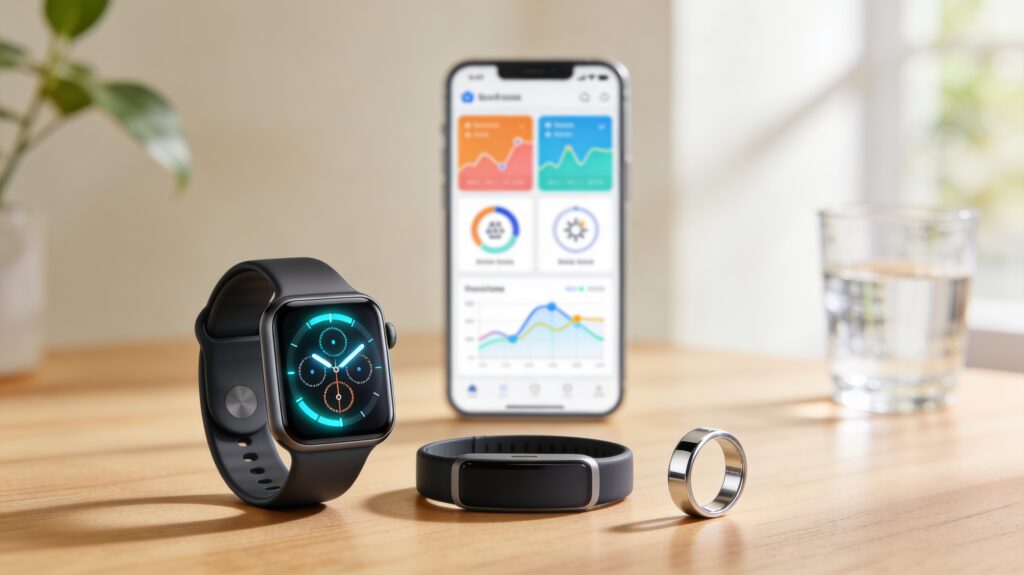
- How it works: You might use wearable devices (like smartwatches), Bluetooth-enabled blood pressure cuffs, glucose monitors, or scales that automatically send your readings to your provider. The data is often sent to a secure platform that your care team can review.
- What it’s good for: Managing diabetes, hypertension, heart conditions, asthma, or monitoring recovery post-surgery. It allows providers to track trends, detect potential issues early, and adjust treatment plans proactively.
- The patient experience: RPM empowers you to be more actively involved in managing your health. It provides peace of mind knowing that your vital signs or health metrics are being monitored, and it can reduce the frequency of in-person visits required for routine checks.
[LINK TO CDC PAGE ON TELEHEALTH OR SIMILAR REPUTABLE SOURCE – e.g., https://www.cdc.gov/telehealth/index.htm]
Health Apps: Your Pocket-Sized Healthcare Assistant
Beyond the direct interaction of telehealth visits, health apps are transforming how patients manage their healthcare journey. These apps, often developed by healthcare providers, insurance companies, or third-party innovators, streamline many administrative and personal health management tasks.
Streamlining Appointments
- Scheduling and Rescheduling: Gone are the days of endless phone tag. Many health apps allow you to browse available appointment slots with your preferred doctors, book new appointments, or reschedule existing ones with a few taps on your screen.
- Reminders: Apps can send push notifications or text messages to remind you of upcoming appointments, reducing the chances of missed visits.
- Virtual Waiting Rooms: For telehealth video visits, apps often serve as your gateway to a virtual waiting room, letting you know when your provider is ready.
Managing Prescriptions
- Refill Requests: Instead of calling your doctor’s office, many apps enable you to request prescription refills directly through the platform. The request goes to your provider, who can then send it electronically to your chosen pharmacy.
- Medication Lists: Keep an up-to-date list of all your medications, dosages, and instructions within the app, which can be shared easily with new providers or in an emergency.
- Pharmacy Communication: Some apps integrate with pharmacies, allowing you to track the status of your prescriptions or receive notifications when they’re ready for pickup.
Accessing Test Results
- Immediate Access: No more waiting for a phone call or a letter in the mail. Many patient portal apps provide immediate access to your lab results, imaging reports, and other diagnostic information as soon as they are finalized and reviewed by your doctor.
- Understanding Results: While apps provide the raw data, your doctor will typically follow up to explain the results and discuss any implications, often through a secure message or a scheduled telehealth visit. This gives you time to review the information beforehand and prepare questions.
Other Useful App Features
Many apps also offer features like secure messaging with your care team, access to educational materials, billing information, and even symptom checkers (though these should always be used with caution and never replace professional medical advice).
The Clear Benefits: Why Patients Are Embracing Digital Care
The shift towards telehealth and health apps isn’t just about technological novelty; it delivers tangible benefits that enhance the patient experience significantly.
Unparalleled Convenience
- Care from Anywhere: Whether you’re at home, at work, or even traveling, you can connect with a healthcare provider. This eliminates the need for travel time, parking, and sitting in waiting rooms.
- Fitting Care into Busy Lives: For working professionals, parents, or students, scheduling an in-person appointment can be a logistical challenge. Telehealth allows for greater flexibility, making it easier to fit healthcare into a packed schedule without taking significant time off.
Expanded Access to Care
- Bridging Geographic Gaps: For individuals living in rural or underserved areas where specialists might be hundreds of miles away, telehealth provides access to expertise that would otherwise be out of reach.
- Overcoming Mobility Challenges: Patients with mobility issues, chronic illnesses, or disabilities can receive care without the physical strain or logistical difficulties of traveling to a clinic.
- Specialty Care: Telehealth can connect patients with specialists (e.g., dermatologists, psychiatrists, nutritionists) who might not be available locally, broadening treatment options.
Time and Cost Savings
- Reduced Waiting Times: While you might still have a “virtual” wait, it’s often shorter and more comfortable than waiting in a physical clinic.
- No Travel Costs: Eliminating commutes saves money on gas, public transport, and parking fees.
- Less Time Off Work: Shorter, more flexible appointments mean less disruption to work or personal responsibilities, potentially saving on lost wages.
Enhanced Continuity of Care
- Regular Check-ins: Telehealth makes it easier for providers to conduct regular follow-ups, particularly for chronic condition management, leading to better adherence to treatment plans.
- Proactive Management: Remote monitoring allows for early detection of changes in health metrics, enabling timely interventions before minor issues become major problems.
[LINK TO ARTICLE DISCUSSING BENEFITS OF TELEHEALTH FOR PATIENTS – e.g., from American Medical Association or similar: https://www.ama-assn.org/press-release/new-ama-survey-finds-telehealth-use-remain-high-post-pandemic]
Limits and Risks: When In-Person Care is Still Essential
While the benefits of telehealth are compelling, it’s crucial to understand its limitations. Telehealth is a powerful tool, but it’s not a complete replacement for traditional in-person care.
When an In-Person Visit is Unavoidable
- Emergencies: For severe symptoms like chest pain, sudden severe headaches, uncontrolled bleeding, broken bones, or difficulty breathing, immediate in-person emergency care is essential. Telehealth is not for emergencies.
- Physical Examinations: Many conditions require a physical touch, listening to the heart and lungs, palpating an abdomen, or conducting specific neurological tests that cannot be done remotely.
- Complex Diagnoses: When symptoms are vague, complex, or require multiple diagnostic tests, an in-person evaluation allows for a more comprehensive assessment.
- Procedures and Vaccinations: Any procedure requiring physical intervention, such as vaccinations, stitches, biopsies, or minor surgeries, must be done in person.
- Imaging: X-rays, MRIs, and CT scans require specialized equipment and cannot be done remotely.
Privacy and Data Security Concerns
Using digital platforms for health information naturally raises questions about privacy and security.
- HIPAA Compliance: In the United States, reputable telehealth platforms and healthcare providers must comply with the Health Insurance Portability and Accountability Act (HIPAA), which sets strict standards for protecting patient health information.
- App Permissions: When using health apps, always be mindful of the permissions you grant. Understand what data the app collects, how it’s used, and whether it’s shared with third parties. Read privacy policies carefully.
- Secure Connections: Always ensure you are using a secure, private internet connection for telehealth visits, rather than public Wi-Fi networks, to minimize the risk of data interception.
- Data Breaches: While providers and app developers take steps to protect data, no system is entirely immune to cyber threats. It’s a valid concern, and choosing reputable providers is key.
The Digital Divide and Other Challenges
- Access to Technology: Not everyone has reliable internet access, a smartphone, or the digital literacy needed to navigate telehealth platforms. This “digital divide” can exacerbate existing health inequities.
- Misdiagnosis Risk: Without the ability to perform a physical exam, there’s a slightly higher risk of misdiagnosis for certain conditions, emphasizing the importance of knowing when an in-person visit is necessary.
- Impersonal Experience: Some patients may feel that telehealth lacks the personal touch or empathetic connection of an in-person visit, especially for sensitive discussions.
[EMBED YOUTUBE VIDEO ABOUT TELEHEALTH RISKS/LIMITATIONS – e.g., a balanced view from a medical professional or consumer advocacy group]
Simple Tips for a Safe and Successful Online Appointment
To make the most of your telehealth experience and ensure your safety and privacy, here are some practical tips:
- Choose Reputable Providers: Stick with telehealth services offered by your established healthcare providers, hospitals, or well-known, accredited telehealth companies. Be wary of unverified apps or services that promise quick fixes.
- Prepare Your Technology:
- Charge your device: Ensure your smartphone, tablet, or computer is fully charged or plugged in.
- Test your internet: Have a strong, stable Wi-Fi connection. If possible, use a wired connection for better stability.
- Check audio/video: Test your microphone and camera before the appointment.
- Find a Private and Quiet Space: Choose a well-lit room where you won’t be interrupted. Use headphones for better audio clarity and privacy.
- Have Your Information Ready:
- List of symptoms: Jot down your symptoms, when they started, how severe they are, and anything that makes them better or worse.
- Medication list: Have a current list of all medications, dosages, and supplements you’re taking.
- Questions: Prepare a list of questions for your doctor.
- Pharmacy info: Know the name and location of your preferred pharmacy.
- Understand Privacy Settings: Review the privacy policy of any app or platform you use. Be cautious about sharing excessive personal data.
- Know When to Go In-Person: If your symptoms worsen, are severe, or if your provider recommends an in-person visit, follow that advice. Don’t hesitate to seek emergency care if needed.
- Take Notes: Just like an in-person visit, it can be helpful to take notes during your telehealth appointment, especially regarding instructions, medication changes, or follow-up plans.
- Ask for Clarification: If you don’t understand something, don’t hesitate to ask your provider to explain it again.
[LINK TO ARTICLE WITH TIPS FOR TELEHEALTH PATIENTS – e.g., from a major hospital system like Cleveland Clinic or Mayo Clinic: https://health.clevelandclinic.org/how-to-prepare-for-a-telehealth-appointment/]
The Future of Doctor Visits
Telehealth and health apps are not just temporary novelties; they are integral components of the evolving healthcare landscape. They offer unprecedented convenience, broaden access to care, and empower patients to take a more active role in managing their health. While they have limitations and necessitate careful consideration of privacy, their benefits are undeniable. By understanding how these technologies work and how to use them safely and effectively, you can navigate this new era of digital healthcare with confidence, ensuring you receive the best possible care, whether it’s through a screen or in person.