Every year, an astonishing one-third of all food produced globally for human consumption is lost or wasted. This equates to approximately 1.3 billion tons of food, a staggering figure that carries immense economic, social, and environmental consequences. From the fields where crops are grown to the refrigerators in our homes, food waste represents a colossal failure in our food system. It means billions of dollars in lost revenue for farmers and businesses, squandered resources like land, water, and energy used in food production, and a significant contributor to greenhouse gas emissions when wasted food rots in landfills.
The problem of food waste is complex, stemming from inefficiencies at every stage of the supply chain. However, a powerful ally has emerged in the fight against this global challenge: technology. From advanced sensors in the soil to sophisticated tracking systems and consumer-facing apps, innovation in farm tech is revolutionizing how we produce, distribute, and consume food, offering a beacon of hope in creating a more sustainable and equitable food system.
Tackling Waste at the Source: On the Farm
The journey of food waste often begins long before a product reaches a grocery store shelf. On farms, factors like inefficient resource management, unpredictable weather, pest infestations, and market gluts can lead to significant crop losses. Modern farm technology, often referred to as “precision agriculture,” is stepping in to mitigate these risks.
Precision Agriculture and Smart Farming
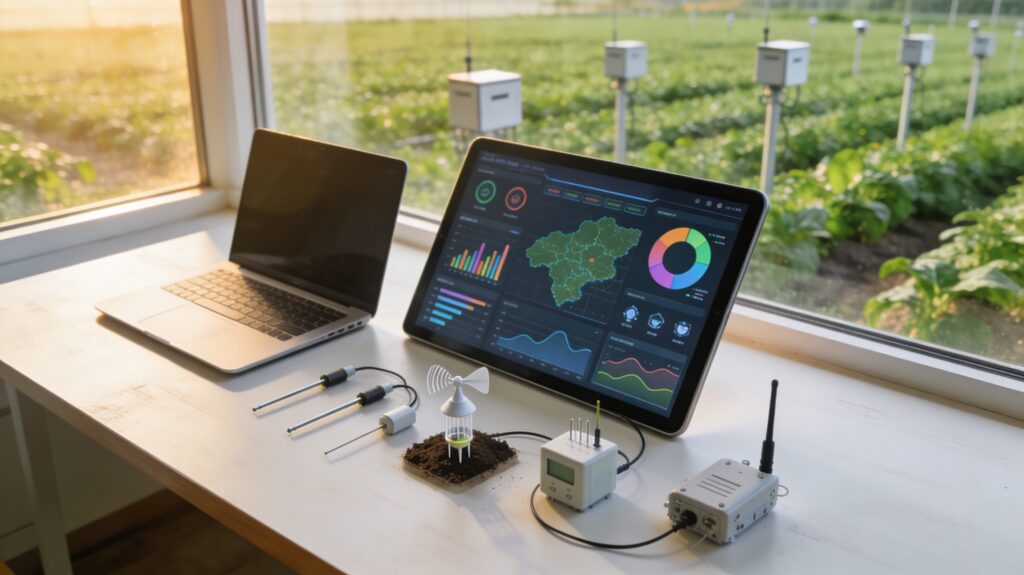
One of the most impactful applications of technology on farms is the deployment of sensors and the Internet of Things (IoT). Soil sensors, for instance, can monitor moisture levels, nutrient content, and pH in real-time. This allows farmers to apply water and fertilizer precisely where and when needed, preventing over-watering (which can lead to root rot and nutrient runoff) or under-watering (which stunts crop growth). Similarly, IoT-enabled cameras and drones equipped with spectral imaging can monitor crop health across vast fields, detecting early signs of disease, pest infestations, or nutrient deficiencies that might be invisible to the human eye. By identifying problems early, farmers can intervene swiftly and targetedly, saving entire sections of crops that might otherwise be lost.
Robotics are also playing a role, from automated planters that optimize spacing to robotic harvesters that pick delicate fruits and vegetables at their peak ripeness with minimal damage, reducing spoilage that often occurs with manual harvesting. These advanced tools ensure that fewer crops are left unharvested or damaged during the initial stages of production.
Data-Driven Forecasting and Planning
Beyond direct intervention, technology empowers farmers with unprecedented predictive capabilities. AI and machine learning algorithms analyze historical yield data, weather patterns, soil conditions, and even satellite imagery to provide highly accurate forecasts of crop yields. This data is invaluable for planning. Farmers can better anticipate how much produce they will have, allowing them to make more informed decisions about planting schedules, labor allocation, and market engagement.
Furthermore, integrating these yield forecasts with market demand data helps prevent overproduction – a common cause of waste where excess produce cannot find a buyer and is simply left to rot. By aligning production more closely with actual demand, farmers can reduce the risk of having surplus crops with no destination, ensuring that the food grown has a higher chance of reaching a consumer.
Advanced Storage and Preservation
Even after a successful harvest, maintaining freshness is critical. Traditional storage methods often fall short, leading to significant post-harvest losses. Farm tech is introducing sophisticated storage solutions that extend the shelf life of produce right at the source. Controlled Atmosphere (CA) storage, for example, precisely regulates temperature, humidity, and atmospheric gas composition (oxygen, carbon dioxide, nitrogen) to slow down the ripening and decay process of fruits and vegetables. This keeps produce fresh for months longer than conventional cold storage, allowing farmers to hold onto their harvest until market conditions are favorable.
In many developing regions, where access to grid electricity is limited, innovative solutions like solar-powered cold storage units are making a difference. These on-farm storage facilities allow farmers to immediately cool their produce after harvest, significantly reducing spoilage in the critical hours post-harvest before transportation can occur. Moreover, advancements in packaging, such as edible coatings derived from natural compounds or modified atmosphere packaging, create micro-environments that inhibit microbial growth and respiration, further preserving freshness and extending shelf life.
Optimizing the Journey: The Supply Chain Revolution
Once food leaves the farm, it embarks on a complex journey through the supply chain, where numerous pitfalls can lead to waste. Inefficient logistics, temperature fluctuations, and a lack of transparency historically contributed to significant losses. Technological innovations are now creating a more transparent, efficient, and resilient supply chain.
Real-time Tracking and Traceability
Visibility is key to reducing waste in the supply chain. Technologies like RFID tags, QR codes, and blockchain are providing unprecedented levels of traceability. Each crate or pallet of produce can be tagged and tracked from the farm gate to the retail shelf. This real-time data allows stakeholders to monitor the product’s journey, identify potential bottlenecks, and understand precisely where and why spoilage might be occurring. If a batch of produce is found to be compromised, blockchain technology can quickly pinpoint its origin and destination, enabling targeted recalls and preventing wider contamination, while also reducing the need to discard entire shipments.
Smart Temperature and Environment Monitoring
Maintaining optimal conditions during transit and storage is paramount for perishable goods. IoT sensors embedded in shipping containers, trucks, and warehouses continuously monitor critical environmental factors such as temperature, humidity, and even shock or vibration. These sensors transmit data in real-time to a central platform, alerting logistics managers immediately if conditions deviate from the specified range. For example, if a cold chain truck’s refrigeration unit malfunctions, an alert allows for prompt action, potentially saving an entire load of refrigerated goods from spoilage. Predictive analytics, building on this data, can even anticipate potential issues based on route, weather forecasts, and historical performance, allowing for proactive adjustments.
Smarter Logistics and Routing
Inefficient transportation is a major contributor to food waste, leading to prolonged transit times and unnecessary delays. AI-powered logistics platforms are transforming this by optimizing routes, consolidating shipments, and dynamically adjusting delivery schedules. These systems analyze real-time traffic data, weather conditions, and delivery priorities to calculate the most efficient routes, minimizing fuel consumption and, crucially, reducing the time perishable goods spend in transit. This not only cuts down on spoilage but also lowers carbon emissions associated with transportation. Furthermore, by optimizing truck fill rates and reducing “empty miles,” these systems contribute to a more sustainable and cost-effective supply chain.
Beyond the Farm Gate: Retail and Consumer Solutions
The fight against food waste extends into supermarkets, restaurants, and ultimately, our homes. Here too, technology is offering innovative solutions to prevent edible food from ending up in the bin.
Predictive Demand Forecasting for Retailers
Supermarkets face the delicate balancing act of having enough stock to meet demand without overstocking and generating waste. AI and machine learning are proving invaluable here. These systems analyze vast datasets, including past sales, seasonal trends, promotional impacts, local events, and even weather forecasts, to predict consumer demand with greater accuracy. This allows retailers to optimize inventory levels, reducing the likelihood of over-ordering perishable goods that might expire on shelves. Dynamic pricing models, often driven by similar AI, can also automatically adjust prices for items nearing their expiry date, incentivizing consumers to purchase them before they become waste.
Food Waste Reduction Apps and Platforms
A growing ecosystem of apps and online platforms is empowering consumers to become part of the solution. Apps like “Too Good To Go” connect users with restaurants, bakeries, and grocery stores selling surplus food at a discounted price at the end of the day, preventing it from being thrown away. Similarly, “Olio” facilitates the sharing of surplus food between neighbors and local businesses. For “imperfect” produce – items that are perfectly edible but don’t meet strict cosmetic standards – online marketplaces like “Imperfect Foods” and “Misfits Market” deliver these slightly misshapen or oversized fruits and vegetables directly to consumers, rescuing them from being discarded before they even reach a store.
At the consumer level, smart kitchen appliances and apps are also emerging to help manage household food waste. These might include smart refrigerators with inventory tracking or apps that suggest recipes based on ingredients nearing their expiry date, encouraging mindful consumption.
Automated Inventory Management
Within retail stores, technology is also improving internal waste management. Smart shelves equipped with sensors and RFID tags can track stock levels and expiry dates in real-time, alerting staff when items need to be restocked or rotated. This not only prevents products from expiring unnoticed but also streamlines inventory management, reducing human error and ensuring that fresher products are always available while older stock is prioritized for sale or donation.
The Broader Impact: Environmental Benefits and Ongoing Challenges
The widespread adoption of farm tech to combat food waste offers a multitude of benefits, particularly for the environment.
Environmental Benefits
Reducing food waste directly translates to a significant decrease in greenhouse gas emissions. When food rots in landfills, it produces methane, a potent greenhouse gas far more damaging than carbon dioxide. By preventing food from reaching landfills, we mitigate these emissions. Furthermore, less food waste means conserving the vast resources used in its production – land, water, energy, and labor. This lessens the pressure on natural ecosystems, promotes biodiversity, and makes our agricultural systems more resilient. Ultimately, by making better use of the food we produce, technology is a critical tool in enhancing global food security, ensuring more people have access to nutritious sustenance without further straining our planet.
Ongoing Challenges and the Road Ahead
Despite the immense potential, the journey to a waste-free food system is not without its hurdles. One significant challenge is the cost of adopting these advanced technologies, which can be prohibitive for smallholder farmers or businesses with limited capital. Ensuring equitable access and providing financial incentives or subsidies will be crucial.
Data privacy and security also present concerns, as these systems collect vast amounts of information. Robust frameworks are needed to protect sensitive agricultural and business data. Infrastructure gaps, particularly reliable internet access in remote rural areas, can hinder the implementation of IoT and data-driven solutions. Moreover, while technology provides tools, behavioral change across the entire food chain – from farmers to consumers – remains essential. Educating all stakeholders on the importance of waste reduction and how to utilize these technologies effectively is paramount. The integration of diverse technologies from different providers and platforms also requires standardization and interoperability to create a truly seamless and efficient system.
A Future of Less Waste, More Sustenance
The problem of food waste is monumental, but the rapid advancements in farm tech offer a powerful suite of solutions. From optimizing crop growth and harvest on the farm to streamlining the supply chain with smart logistics, and empowering consumers with innovative apps, technology is creating a more efficient and responsible food ecosystem. While challenges remain in terms of accessibility, cost, and behavioral shifts, the momentum is undeniable. By embracing these innovations and fostering collaboration across the entire food industry, we can move closer to a future where every harvest is valued, every resource is respected, and the table is set for a more sustainable and food-secure world.