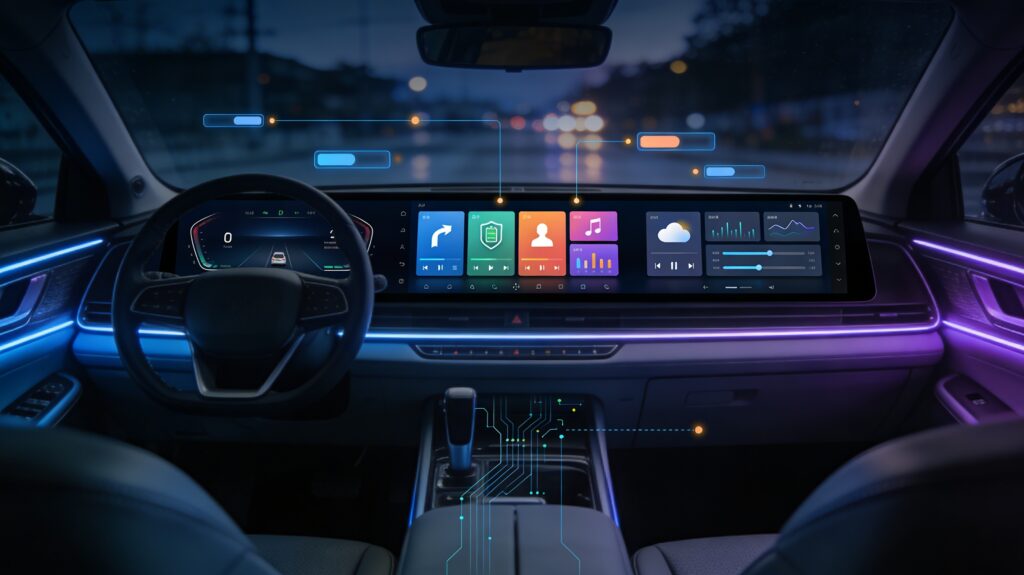
Software-defined vehicle is a term rapidly entering the automotive lexicon, signaling a profound shift in how cars are designed, built, and experienced. For decades, vehicles were primarily mechanical marvels, their capabilities largely fixed at the point of manufacture. Today, however, many modern cars, particularly electric vehicles, are increasingly defined by their digital architecture – a complex network of sensors, processors, and lines of code that dictate everything from engine performance to infotainment and even safety features. This new reality means that the car you buy today can be significantly different tomorrow, evolving and improving over its lifespan.
But what does it truly mean to own a software-defined vehicle? How do these digital brains impact your daily driving, your long-term ownership costs, and even your privacy? As you navigate the exciting, yet sometimes confusing, landscape of modern car buying, it’s crucial to look beyond horsepower and trim levels. This article promises to show you how to understand what you’re really buying when you choose a software-defined vehicle, empowering you to make an informed decision that aligns with your expectations and needs.
How to Define a Software‑Defined Vehicle in Simple Terms
At its core, a software-defined vehicle is one where a significant portion of its functionality, capabilities, and user experience is controlled, managed, and perpetually updated through software rather than being solely dependent on fixed physical hardware. Think of it less like a traditional appliance and more like a smartphone on wheels. In a conventional car, a specific button would activate a specific hardware function, and that function would remain unchanged for the life of the vehicle. In a software-defined vehicle, that same function might be controlled by code, allowing it to be modified, enhanced, or even completely transformed through updates.
This paradigm shift means that key automotive functions, from engine (or motor) management and braking systems to advanced driver-assistance systems (ADAS), navigation, and in-car entertainment, can all be refined, personalized, and even added over time via software. It’s not just about the infotainment screen getting new apps; it’s about the very essence of how the car operates becoming flexible and adaptable. This level of software integration allows manufacturers to innovate faster, respond to user feedback, and continuously improve the vehicle’s performance, safety, and convenience long after it leaves the dealership lot.
How Over‑the‑Air Updates Change Your Car’s Lifecycle
One of the most transformative aspects of a software-defined vehicle is its ability to receive Over-the-Air (OTA) updates. Much like your smartphone or computer downloads new operating system versions, a software-defined vehicle can download and install updates wirelessly, often while parked in your driveway. These updates can encompass a wide range of improvements and additions, fundamentally changing your car’s lifecycle.
OTA updates aren’t just for minor bug fixes; they can introduce entirely new features, enhance existing ones, and even improve fundamental aspects like battery efficiency, motor performance, or braking response. For example, a manufacturer might release an update that boosts horsepower, extends range, or adds a new driver-assistance mode. Crucially, OTA updates are also vital for security, patching vulnerabilities and ensuring your vehicle’s digital systems remain robust against cyber threats.
The benefits of OTA updates are significant: continuous improvement means your car can get better with age, potentially extending its perceived lifespan and keeping it feeling fresh. You gain new features without needing a dealership visit, offering unparalleled convenience. However, there can be frustrations. Updates might sometimes introduce unexpected changes to the user interface or vehicle behavior, requiring an adjustment period. There’s also the potential for downtime during installation, and in rare cases, an update could temporarily introduce new bugs before they are patched. Understanding the update frequency, the scope of what can be updated, and how updates are communicated by the manufacturer is key to appreciating the evolving nature of your software-defined vehicle.
How Software Controls Features You Care About
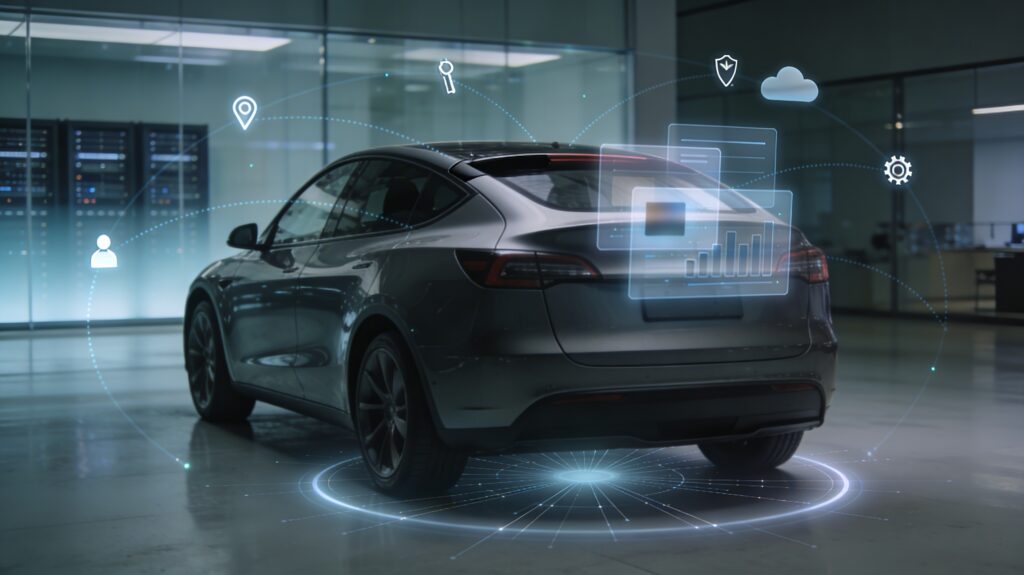
The pervasive nature of software in a software-defined vehicle means that many of the features you value most are no longer static hardware components but rather dynamic, software-driven systems. This impacts everything from how safely you drive to how entertained you are on the road.
Safety and Driver Assistance
Modern safety features and driver assistance systems (ADAS) are prime examples of software at work. Adaptive cruise control, lane-keeping assist, automatic emergency braking, blind-spot monitoring, and even automated parking are all sophisticated systems heavily reliant on software algorithms processing data from an array of sensors (cameras, radar, lidar, ultrasonic). In a software-defined vehicle, these systems can be continually refined and improved through OTA updates. For instance, an update might enhance the precision of lane-keeping, improve the vehicle’s ability to detect pedestrians in low light, or even introduce entirely new driver-assistance functionalities, making your car safer and more capable over time. This means the car you buy today could have more advanced crash avoidance capabilities a year from now, simply through a software download.
Infotainment and Navigation
The infotainment system is perhaps the most visible manifestation of a software-defined vehicle. These systems are essentially powerful computers that manage everything from audio and video playback to smartphone integration (Apple CarPlay, Android Auto), voice commands, and real-time navigation. Software allows for a highly customizable user interface, personalized profiles, and the ability to download new apps or services. Navigation systems, for example, can receive real-time traffic updates, suggest alternative routes based on current conditions, and even predict charging station availability in EVs, all thanks to sophisticated software and connectivity. The experience here is less about fixed buttons and more about a dynamic, app-like environment that can evolve with new features, streaming services, and improved voice recognition capabilities.
Comfort and Performance Modes
Beyond safety and entertainment, software also profoundly influences your daily driving comfort and performance. Many software-defined vehicles offer customizable driving modes that alter parameters like throttle response, steering feel, suspension stiffness, and even regenerative braking levels. These modes are entirely software-driven, allowing you to switch between a sporty, responsive feel and a more relaxed, efficient one with the touch of a button. Similarly, comfort features like climate control, seat adjustments, and ambient lighting can be deeply integrated with software, allowing for personalized settings, pre-conditioning before you enter the car, and even intelligent responses to external conditions. This means your car can adapt its character to your mood or the driving situation, offering a truly personalized and responsive experience that was once only possible with significant mechanical adjustments.
For daily driving, this means a car that is more adaptable, responsive, and tailored to your preferences. It can learn your habits, anticipate your needs, and continuously offer new ways to enhance your journey, making the driving experience more fluid and dynamic than ever before.
How Subscriptions and Paid Unlocks Work in a Software‑Defined Vehicle
One of the most significant shifts in the ownership model of a software-defined vehicle is the introduction of subscriptions and paid unlocks. While the concept of paying for services in a car isn’t entirely new (think satellite radio or telematics like OnStar), the scope has dramatically expanded. Manufacturers are increasingly treating certain features as software services that can be activated or deactivated, sometimes for an ongoing fee.
This means that a car might come with the necessary hardware for a feature – say, heated seats, advanced driver assistance, or even increased horsepower – but the software to enable it might require a separate purchase or an ongoing monthly or annual subscription. You might buy a car with “performance boost” hardware, but only activate it for a weekend trip, paying a small fee. Or, you might subscribe to enhanced navigation services that offer more detailed real-time traffic or advanced charging point planning.
The pros of this model include potential flexibility for consumers, allowing them to try out features before committing to a permanent purchase, or only pay for features they use occasionally. It could also lead to lower initial purchase prices for vehicles, as some features become optional add-ons. However, the cons are significant: ongoing subscription costs can add up, impacting the total cost of ownership over the vehicle’s lifespan. Consumers might also feel they are being “nickel-and-dimed” for features that were once standard or a one-time upgrade. Furthermore, the implications for resale value are still emerging; will a car with lapsed subscriptions be less attractive to a second owner, or will they simply need to start their own subscriptions? Understanding precisely which features are permanent and which are tied to ongoing payments is paramount before making a purchase.
How Data Collection Works in a Software‑Defined Vehicle
As cars become more like connected computers, they also become sophisticated data collection machines. A software-defined vehicle can gather a vast array of information about its operation, its environment, and even its occupants’ behavior. Understanding what data is collected, how it’s used, and what controls you have over it is a critical aspect of buying a modern car.
Data that can be collected includes:
- Location Data: GPS coordinates, routes taken, frequent destinations, and parking locations. This can be used for navigation improvements, traffic analysis, or even stolen vehicle recovery.
- Driving Style Data: Acceleration patterns, braking habits, speed, cornering forces, and even seatbelt usage. This data can inform driver coaching systems, vehicle safety improvements, and, controversially, be used by insurance companies for usage-based premiums.
- Vehicle Usage Data: How often certain features are used (e.g., driver assistance systems, infotainment apps), charging patterns (for EVs), and vehicle diagnostics like battery health, tire pressure, and error codes. This helps manufacturers improve reliability and tailor maintenance reminders.
- Infotainment and Personal Data: Voice commands, search queries, music preferences, and even contact lists if synced from a smartphone.
This data might be used in several ways: to improve the vehicle’s software and hardware (R&D), to provide personalized services (e.g., proactive maintenance alerts, optimized routes), for targeted marketing, or even shared with third parties like insurance providers or emergency services.
For consumers, the key is to ask critical questions about privacy: What specific data does the vehicle collect? How is that data stored and secured? Who has access to it (manufacturer, third parties, advertisers)? Can you opt out of certain types of data collection, and if so, how? What are the implications of opting out on vehicle functionality or warranty? A clear understanding of the manufacturer’s privacy policy and the ability to manage your data preferences within the vehicle’s settings is essential for any modern car buyer.
How to Use a Checklist Before Buying a Software‑Defined Vehicle
Navigating the complexities of a software-defined vehicle requires a new approach to car buying. To ensure you’re making an informed decision, use the following checklist before you commit to a purchase:
- Update Policy and Expected Support Lifespan:
- How often does the manufacturer typically release OTA updates?
- For how many years or miles is the vehicle guaranteed to receive software updates and security patches?
- What happens to the vehicle’s functionality when software support ends? Will it become obsolete or lose critical features?
- Are updates mandatory or optional?
- Subscription Model Details:
- Request a clear, comprehensive list of all features that require an ongoing subscription or one-time paid unlock.
- Understand the cost of each subscription (monthly, annually, lifetime plan).
- Are these subscriptions transferable to a second owner?
- What functionality is lost if a subscription lapses?
- Are there different tiers of connectivity plans, and what do they include/exclude?
- Data and Privacy Controls:
- Obtain a copy of the manufacturer’s privacy policy and read it carefully.
- Inquire about the specific types of data the vehicle collects (driving, location, usage, biometric, etc.).
- Ask how you can access, manage, or delete your personal data.
- Can you opt out of data collection for specific purposes (e.g., marketing, insurance)? What are the consequences of opting out?
- How is your data secured against breaches?
- Right-to-Repair and Third-Party Servicing Implications:
- Can independent mechanics access diagnostic tools and necessary software for repairs and maintenance?
- Are parts and software updates available to third-party repair shops?
- Will using aftermarket parts or third-party software modifications void your warranty or affect OTA updates?
- What are the manufacturer’s policies regarding owner modifications to the vehicle’s software?
- Feature Permanence:
- Clearly distinguish between features that are permanently included with the vehicle purchase and those that are either subscription-based or require future payment to unlock.
- If a feature is “hardware-ready” but software-locked, what is the cost to unlock it permanently, if possible?
- Connectivity Requirements:
- Does the vehicle require a constant internet connection for full functionality (e.g., navigation, streaming, OTA updates)?
- What are the associated data costs if not included in the vehicle price or a subscription? Is there a built-in eSIM, or do you need to provide your own data plan?
- Resale Value Impact:
- Consider how the presence of subscriptions or the end of software support might affect the vehicle’s resale value in the future.
- Are there any programs or guarantees from the manufacturer regarding continued functionality for second owners?
How to Decide If a Software‑Defined Vehicle Fits You
The move towards a software-defined vehicle represents an exciting evolution in personal transportation, offering unparalleled potential for innovation, personalization, and continuous improvement. However, it also introduces new considerations that traditional car buyers might not be accustomed to.
To decide if a software-defined vehicle is the right fit for you, recap these key considerations: its evolving nature through OTA updates, the potential for ongoing subscription costs for features, and the implications of comprehensive data collection on your privacy. You’re not just buying a piece of hardware; you’re investing in a dynamic digital platform that will change and adapt over time.
Therefore, it is crucial to treat the software aspects of your potential new car with the same level of scrutiny that you would apply to its engine, range, safety ratings, or price. Ask the tough questions about updates, subscriptions, and data. Understand the digital DNA of the car as thoroughly as you would its mechanical components. By doing so, you can ensure that your next vehicle purchase is not just a great drive today, but a smart, satisfying investment for many years to come, aligning perfectly with your lifestyle and expectations in this new era of automotive technology.