For anyone living in a city, the daily dance of commuting is a familiar rhythm. We navigate bustling streets, endure traffic jams, hunt for parking, and often feel the pinch of rising transport costs. It’s a reality that can be frustrating, time-consuming, and, let’s be honest, sometimes a little soul-crushing. But what if there was another way? What if technology could offer solutions not just to alleviate these pains, but to fundamentally reshape how we move around our urban landscapes?
The good news is, it already is. From the smartphones in our pockets to the vehicles on our roads and the very infrastructure beneath our feet, modern technology is rapidly transforming urban transport. It’s making journeys more efficient, more convenient, more sustainable, and in some cases, even more enjoyable. This isn’t about futuristic flying cars (not yet, anyway!), but about practical innovations happening right now that are changing your daily commute, your weekend errands, and your overall city experience.
Let’s take a closer look at how these technological shifts are redefining urban mobility, offering a glimpse into a smarter, more connected way to get from A to B.
The Rise of On-Demand Mobility: Ride-Hailing and Car-Sharing
Perhaps one of the most visible changes in urban transport over the past decade has been the explosion of on-demand services. These innovations have challenged the traditional notions of vehicle ownership and taxi services, offering unprecedented convenience at our fingertips.
Ride-Hailing Apps
Apps like Uber and Lyft have become ubiquitous in many cities, fundamentally altering how many people get around. The concept is simple: using a smartphone app, you can request a ride from a nearby driver, track their arrival in real-time, and pay seamlessly through the app.
How They Work: Passengers open an app, input their destination, and are matched with a driver. The app handles navigation, fare calculation, and payment, often including options for different vehicle types or shared rides.
Pros:
- Convenience: Door-to-door service available usually within minutes. No need to hail a taxi or worry about cash.
- Accessibility: Especially useful for those without private vehicles or in areas underserved by public transport.
- Cost-Effectiveness (sometimes): Can be more affordable than traditional taxis, especially for shared rides or during off-peak hours.
- Reduced DUI Incidents: Offers a safe alternative to driving under the influence.
Cons:
- Congestion: A significant criticism is that ride-hailing services add to urban traffic congestion and can sometimes compete with public transit.
- Surge Pricing: Fares can skyrocket during peak times, bad weather, or major events, making them unaffordable for some.
- Driver Concerns: Issues around driver pay, benefits, and working conditions have been ongoing.
- Accessibility in Certain Areas: While great in city centers, availability can be spotty in less dense urban fringes or suburbs.
To learn more about how these services operate, you can visit Uber’s official website.
Car-Sharing Services
For those who need a car occasionally but don’t want the financial burden of ownership, car-sharing services offer a compelling alternative. Companies like Zipcar, Share Now, or even peer-to-peer platforms allow users to rent cars by the hour or day.
How They Work: Users typically sign up for a membership, locate available vehicles via an app, unlock them with their phone or a membership card, and pay for the time and distance used. Cars are often parked in designated spots or, in some cases, can be left anywhere within a service zone.
Pros:
- Cost Savings: Eliminates the costs of car ownership (insurance, maintenance, parking, depreciation) for infrequent drivers.
- Variety of Vehicles: Access to different vehicle types (sedans, SUVs, vans) for various needs.
- Environmental Benefits: Encourages less car ownership, potentially reducing the number of vehicles on the road.
- Convenience for Specific Needs: Ideal for errands, weekend trips, or when you simply need a car for a few hours.
Cons:
- Availability: Vehicles might not always be available exactly when and where you need them, especially during peak times.
- Booking Requirements: Often requires booking in advance, which reduces spontaneity compared to ride-hailing.
- Parking Logistics: Returning the car to a specific spot or within a zone can sometimes be a hassle.
Together, ride-hailing and car-sharing are empowering city dwellers with more flexible, on-demand transport options, challenging the traditional model of personal car ownership.
Smarter Public Transit: Apps Leading the Way
Public transportation has long been the backbone of urban mobility, but it wasn’t always the most user-friendly experience. Remember consulting thick paper schedules or anxiously waiting at a bus stop, unsure when your ride would arrive? Technology has revolutionized this, transforming traditional transit into a more predictable and accessible service.
The Transformation of Traditional Transit
The biggest shift has been from static information to dynamic, real-time data. This change is primarily driven by the proliferation of sophisticated public transit apps.
Key Features of Public Transit Apps
Modern transit apps, whether developed by city authorities or third-party providers (like Google Maps, Citymapper, or Transit App), offer a suite of features that significantly enhance the passenger experience:
- Live Tracking: This is a game-changer. Passengers can see the precise location of their bus or train on a map and get accurate predictions for its arrival time. This reduces anxiety and allows for better trip planning, minimizing frustrating waits.
- Route Planning and Navigation: Beyond simple A-to-B routing, these apps often provide multimodal options, suggesting combinations of buses, trains, subways, and even walking or micromobility options. They offer step-by-step directions, including which platform to use or where to transfer.
- Digital Ticketing and Payments: Many cities now allow passengers to purchase tickets, passes, or even pay fares directly through their smartphone. This eliminates the need for physical tickets, fumbling for exact change, or waiting in line at ticket machines. Some systems even offer “fare capping,” where contactless payments automatically ensure you never pay more than a daily or weekly pass.
- Personalized Alerts: Users can subscribe to receive notifications about service disruptions, delays, detours, or schedule changes on their frequently used routes, allowing them to adjust their plans proactively.
- Accessibility Information: Many apps now integrate information about wheelchair accessibility, elevator status, and other features crucial for passengers with disabilities.
Impact on Commuters and Cities
These technological advancements have a profound impact:
- Reduced Stress: Knowing exactly when your ride will arrive or if there are delays significantly reduces commuter stress.
- Increased Ridership Potential: By making public transit easier and more reliable, apps can encourage more people to choose it over private vehicles.
- Improved Efficiency: Transit operators can also use the data collected from these apps to identify bottlenecks, optimize routes, and improve service delivery.
To experience how these apps can make your commute smoother, check if your local city has a dedicated transit app, or use a general navigation app like Google Maps for real-time transit updates.
Micromobility: The Last-Mile Revolution
Sometimes, the distance between your home and the bus stop, or the train station and your office, is just a bit too far to walk comfortably, but too short to justify a car ride. This “last-mile” problem is precisely what micromobility solutions are designed to solve, and they’ve exploded in popularity in urban centers.
What is Micromobility?
Micromobility refers to a range of small, lightweight vehicles, usually electric, designed for short-distance travel. These include electric scooters (e-scooters), electric bicycles (e-bikes), and traditional shared bicycles.
E-Scooters
Dockless e-scooter sharing services, like Lime or Bird, have become a common sight in many cities.
How They Work: Users locate an available scooter via an app, scan a QR code to unlock it, ride to their destination, and then simply leave it within an approved parking zone, often with a small fee calculated by time.
Pros:
- Quick for Short Trips: Incredibly efficient for covering short to medium distances, often faster than walking or even driving in heavy traffic.
- Reduced Car Reliance: Offers a convenient alternative to using a car for short errands, reducing congestion and emissions.
- Fun Factor: Many users find them an enjoyable way to explore a city.
Cons:
- Safety Concerns: Rider safety, helmet use, and accidents are significant issues, often leading to calls for stricter regulations.
- Sidewalk Clutter: Improperly parked scooters can obstruct sidewalks, creating accessibility problems for pedestrians.
- Regulatory Challenges: Cities grapple with how to integrate scooters safely and efficiently into urban infrastructure.
[EMBED YOUTUBE VIDEO ABOUT ELECTRIC SCOOTERS IN CITIES]
E-Bikes
Electric bicycles provide a pedal-assist boost, making cycling accessible to a wider range of people and for longer distances.
How They Work: E-bikes can be personally owned or part of shared fleet systems (like Citi Bike or BIKETOWN). Shared e-bikes are rented through an app, similar to scooters, often with docking stations or free-floating options.
Pros:
- Extends Cycling Range: The electric assist makes hills easier and longer commutes less strenuous, encouraging more people to cycle.
- Healthier Alternative: Still provides physical activity while reducing effort compared to traditional bikes.
- Environmentally Friendly: Zero emissions during use.
Cons:
- Cost: Personal e-bikes can be expensive. Shared e-bikes often have a higher rental fee than traditional shared bikes.
- Weight: E-bikes are heavier than traditional bikes, making them less portable.
Shared Bicycle Programs
Traditional shared bicycles, both dockless and those requiring specific docking stations, continue to be a popular micromobility option.
Pros:
- Sustainable and Healthy: A fantastic eco-friendly and health-conscious way to travel.
- Affordable: Often one of the most cost-effective shared transport options.
- Reduces Congestion: Takes cars off the road for short trips.
Cons:
- Weather Dependent: Less appealing in adverse weather conditions.
- Physical Effort: Requires more physical exertion than e-bikes or scooters.
Micromobility solutions are rapidly evolving, filling the gaps in urban transport networks and offering flexible, often sustainable, alternatives for short trips.
The Electric Vehicle Evolution in Urban Settings
The transition to electric vehicles (EVs) isn’t just about individual car ownership; it’s a fundamental shift that promises quieter streets, cleaner air, and a reduced carbon footprint for entire cities.
Beyond Personal EVs: Impact on Cities
While electric cars are becoming increasingly common for personal use, their impact on urban transport extends much further.
Benefits for Cities:
- Reduced Air Pollution: EVs produce zero tailpipe emissions, directly improving urban air quality and public health.
- Quieter Streets: Electric motors are significantly quieter than internal combustion engines, contributing to less noise pollution in bustling urban environments.
- Lower Carbon Footprint: When powered by renewable energy, EVs offer a pathway to drastically reduce transportation-related greenhouse gas emissions.
Charging Infrastructure: The Urban Challenge
One of the biggest hurdles to widespread EV adoption in cities is the availability of robust charging infrastructure. Not everyone has a private garage to install a home charger.
Urban Charging Solutions:
- Street-Side Chargers: Many cities are installing public charging stations on streets, often integrated with parking meters or lampposts.
- Charging Hubs: Dedicated parking lots or garages with multiple fast chargers are emerging in central locations.
- Workplace Charging: Employers are increasingly offering charging facilities as an employee perk.
- Smart Grid Integration: Advanced systems are being developed to manage the increased demand on the electrical grid and optimize charging times, perhaps even allowing vehicles to feed power back into the grid during peak demand.
You can explore resources on urban EV charging solutions from reputable sources like the U.S. Department of Energy’s EV charging basics.
Electric Public Transport
The EV revolution isn’t limited to cars. Public transit systems are also electrifying at an accelerating pace.
- Electric Buses: Many cities are replacing diesel buses with electric models, which are quieter, produce no local emissions, and often have lower operating costs over their lifespan.
- Electric Trams and Ferries: Electrification is also extending to other forms of public transport, further contributing to cleaner and quieter urban environments.
EVs in Shared Fleets
The shared mobility sector is also embracing electric. Ride-hailing companies are incentivizing drivers to switch to EVs, and car-sharing services are integrating electric vehicles into their fleets. This means that even if you don’t own an EV, you’re increasingly likely to ride in or drive one through a shared service, further normalizing and promoting electric transport.
The shift to electric vehicles is a cornerstone of sustainable urban development, promising a cleaner, quieter, and more efficient future for city travel.
Glimpses into the Future: Emerging Technologies
While many of the innovations discussed are already part of our daily lives, there are even more groundbreaking technologies in the pipeline that promise to redefine urban movement in the coming decades. These early-stage technologies are currently being tested and refined, offering exciting possibilities for the future.
Autonomous Shuttles and Robotaxis
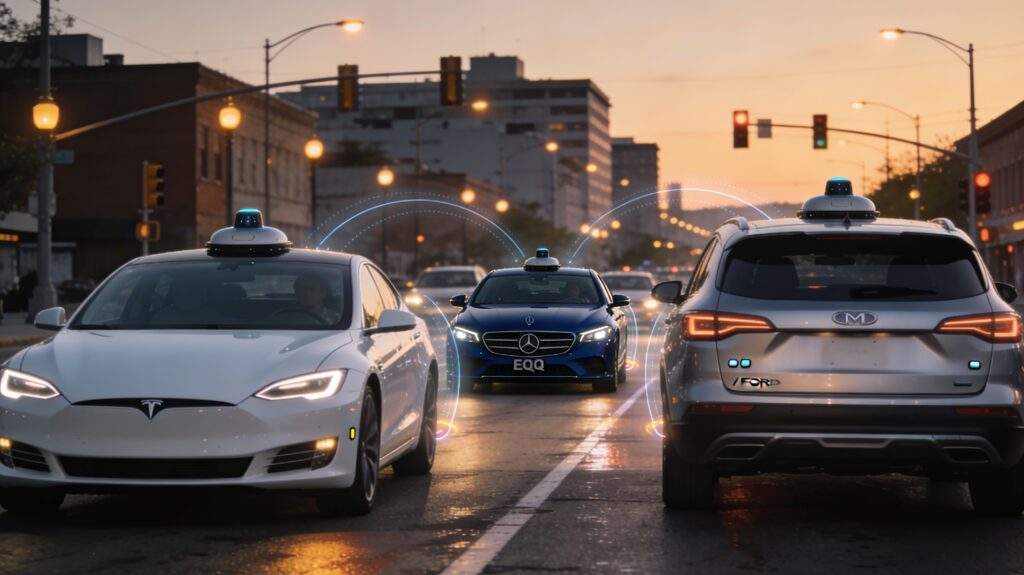
The concept of self-driving vehicles has moved from science fiction to pilot programs in various cities worldwide. Autonomous shuttles and robotaxis are vehicles that can operate without human intervention, guided by an array of sensors, cameras, radar, and advanced AI.
How They Work: These vehicles use sophisticated software to perceive their surroundings, predict the movements of other road users, and navigate complex urban environments. They are often deployed in geofenced areas initially, such as university campuses, business parks, or specific city districts.
Pros:
- Potential for Increased Safety: Proponents argue that autonomous vehicles, free from human error, could drastically reduce traffic accidents.
- Reduced Labor Costs: Eliminating the need for drivers could lower operational costs for transport services.
- Optimized Routes and Efficiency: AI can optimize routes in real-time to avoid congestion, leading to smoother and faster journeys.
- 24/7 Availability: Autonomous fleets could operate around the clock, offering constant mobility options.
Challenges:
- Regulatory Hurdles: Developing clear legal frameworks for autonomous vehicles is complex and ongoing.
- Public Acceptance: Building trust among the general public regarding the safety and reliability of self-driving cars is crucial.
- Complex Urban Environments: Navigating unpredictable situations with pedestrians, cyclists, and diverse infrastructure remains a significant technical challenge.
Smart Traffic Lights and Sensors
Traffic lights have traditionally operated on fixed timers, leading to unnecessary waits and congestion. However, a new generation of “smart” traffic lights is changing this.
How They Work: These intelligent systems use sensors (cameras, radar, loop detectors) to monitor real-time traffic flow, pedestrian presence, and even emergency vehicle locations. AI algorithms then dynamically adjust signal timings to optimize traffic flow, reduce waiting times, and improve safety.
Benefits:
- Smoother Traffic Flow: By adapting to actual demand, smart lights can significantly reduce congestion and travel times.
- Reduced Emissions: Less idling means fewer emissions from stopped vehicles.
- Improved Safety: Can prioritize emergency vehicles or provide longer crossing times for pedestrians.
- Data Collection: Provides valuable data for urban planners to understand traffic patterns and make informed infrastructure decisions.
[EMBED YOUTUBE VIDEO ABOUT SMART TRAFFIC SYSTEMS]
Integrated Mobility Platforms (Mobility-as-a-Service – MaaS)
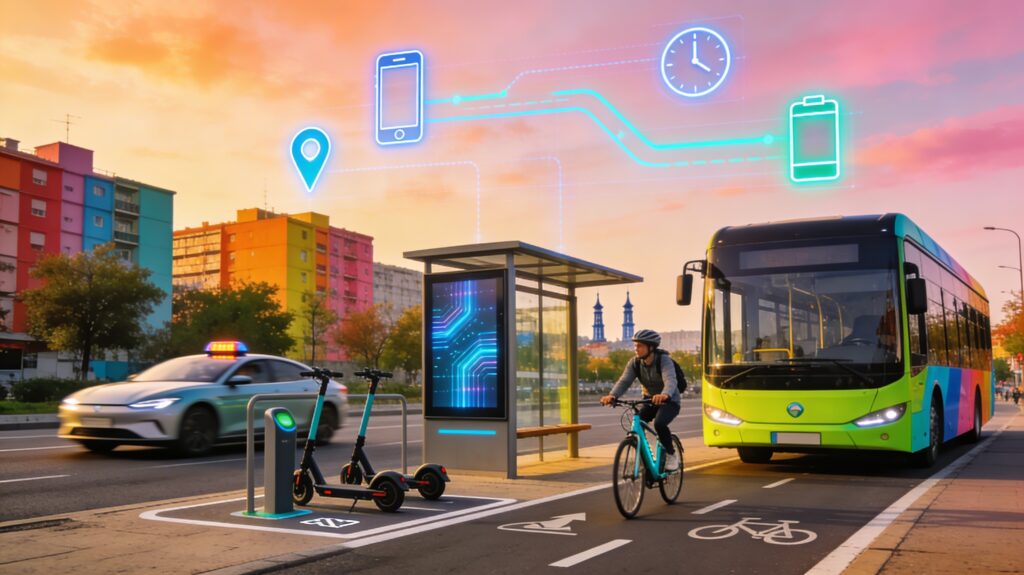
Imagine a single app where you can plan, book, and pay for every aspect of your journey – whether it’s a shared bike, a public bus, a ride-hailing car, or a car-share vehicle. This is the promise of Mobility-as-a-Service (MaaS).
Concept: MaaS platforms aim to integrate all available transport options into one seamless user experience. Instead of separate apps for different services, you get a personalized recommendation for the most efficient, cost-effective, or sustainable route based on your preferences.
Goal: To make urban travel so convenient and integrated that owning a private car becomes an unnecessary burden for many city residents.
For a deeper dive into this concept, you can read more about Mobility-as-a-Service (MaaS) from the International Transport Forum.
These emerging technologies are not just incremental improvements; they represent a paradigm shift in how we might experience urban movement, promising a future that is even more connected, efficient, and responsive to our needs.
Conclusion
The way we move around cities is undergoing a profound transformation, driven by a relentless wave of technological innovation. From the convenience of ride-hailing and car-sharing apps to the real-time intelligence of public transit tools, the agility of micromobility, and the sustainable promise of electric vehicles, technology is actively reshaping our urban journeys.
These advancements are not merely about novelty; they are about addressing the persistent challenges of urban life: congestion, pollution, inefficiency, and the sheer stress of daily commutes. By making transport more accessible, more efficient, and more environmentally friendly, technology is paving the way for smarter, more livable cities.
Of course, this journey isn’t without its challenges. Cities must grapple with regulatory frameworks for new services, ensure equitable access for all residents, manage infrastructure needs for charging and shared vehicles, and balance innovation with public safety.
Yet, the trajectory is clear: the future of urban mobility is dynamic, interconnected, and increasingly intelligent. As city residents and commuters, embracing these changes, understanding their potential, and advocating for smart urban planning will be key to unlocking the full benefits of a technologically advanced transport system. The next time you hail a ride, check your bus schedule on your phone, or hop on an e-scooter, remember you’re not just moving; you’re participating in the evolution of urban life itself.